
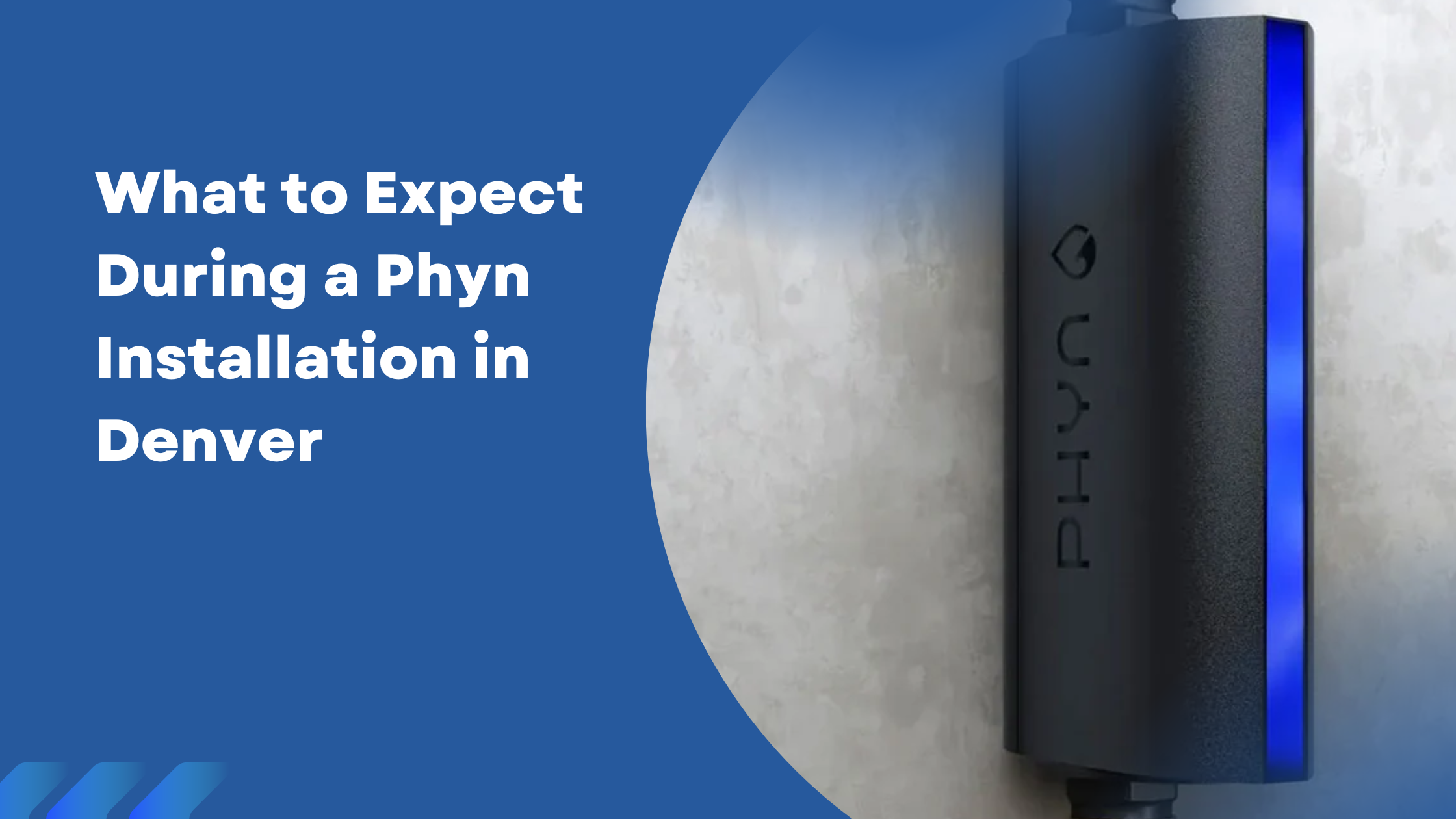
Smart home technology is making it easier for homeowners to monitor important systems throughout their properties. Water management is one area where smart technology can provide valuable information. A Phyn water monitor can help homeowners understand water usage and recognize unusual water-flow patterns that may indicate a potential plumbing issue.
If you are considering a Phyn Installation in Denver, knowing what to expect before, during, and after the installation can make the process easier. Phyn Colorado helps Denver homeowners understand the installation process and the benefits of having a professionally installed smart water monitoring system.
What Is a Phyn Water Monitor?
A Phyn water monitor is a smart plumbing device designed to monitor water flow within a home. Rather than simply checking water usage manually, the system can continuously analyze water activity and identify patterns that may be unusual.
This type of technology can give homeowners greater visibility into their home’s water consumption. It can also provide information that may help homeowners recognize potential leaks or other plumbing concerns earlier.
A smart water monitor is not intended to replace a professional plumber. Instead, it works as an additional tool that can help homeowners stay informed about what is happening within their plumbing system.
Why Choose Phyn Installation in Denver?
Denver homeowners may have different plumbing configurations depending on the age, design, and construction of their homes. Installing a smart water monitoring system correctly requires consideration of the home’s existing plumbing setup.
Choosing professional Phyn Installation in Denver can help ensure that the equipment is installed correctly and configured for proper operation. A qualified installer can evaluate the plumbing system, determine an appropriate installation location, complete the required connections, and test the system after installation.
Professional installation can also make the process easier for homeowners who are not comfortable working with plumbing equipment.
Step 1: Initial Plumbing Assessment
The installation process generally begins with an assessment of the home’s plumbing system. A Phyn installer will look at the existing configuration and determine where the water monitor should be installed.
The installer may consider factors such as accessibility, plumbing connections, available space, and the overall layout of the water system. Selecting the right location is important because the monitor needs to work with the home’s water supply and provide useful monitoring information.
This initial assessment also gives the homeowner an opportunity to ask questions about the installation process.
Step 2: Selecting the Installation Location
After evaluating the plumbing system, the installer determines an appropriate location for the equipment. The location should allow the monitor to be properly connected while remaining accessible for maintenance or future service if needed.
Every home is different, so installation requirements can vary. A professional Phyn installer can evaluate the specific plumbing configuration rather than relying on a one-size-fits-all approach.
The goal is to create an installation that is practical, secure, and compatible with the home’s existing plumbing system.
Step 3: Installing the Phyn Water Monitor
Once the installation location has been selected, the Phyn water monitor is installed according to the applicable installation requirements. The installer works with the plumbing connections and ensures that the equipment is properly integrated into the system.
Professional installation helps reduce the risk of connection mistakes and can make the setup process more convenient for homeowners.
During this stage, homeowners may experience a temporary interruption to their water service depending on the specific plumbing configuration and installation requirements.
Step 4: Connecting and Configuring the System
After the physical installation is completed, the system needs to be configured. This may involve connecting the monitor to the appropriate network or smart home application and completing the required setup.
Configuration allows homeowners to access monitoring information and use the available smart features. A professional installer can help ensure that the system is communicating correctly and that the homeowner understands the basic functions.
This step is especially useful for homeowners who are new to smart home technology.
Step 5: Testing the Installation
Testing is an important part of any professional Phyn Installation in Denver. After the equipment has been installed and configured, the installer should verify that the system is functioning correctly.
The installer can check the water-flow monitoring, connectivity, and overall operation of the system. Testing helps identify potential installation or configuration issues before the installer leaves the property.
Homeowners should also take this opportunity to ask questions about alerts, monitoring information, and basic system operation.
Benefits of Professional Installation
There are several reasons homeowners may prefer professional installation instead of attempting the process themselves.
A professional Phyn installer can provide:
- Proper assessment of the plumbing system
- Correct equipment placement
- Professional plumbing connections
- System configuration assistance
- Installation testing
- Guidance on basic system operation
Professional installation can provide additional confidence that the smart water monitoring system has been properly integrated into the home’s plumbing.
What Homeowners Should Do Before Installation
Preparing your home before the appointment can help make the installation process smoother. Homeowners should make sure the installer has clear access to the relevant plumbing area.
It can also be helpful to identify any existing plumbing concerns before installation. If you have noticed unusual water usage, dripping fixtures, or other plumbing problems, mention them to the installer.
Homeowners should also have any necessary smart home account information available if it is required for system configuration.
After Your Phyn Installation
Once your Phyn Installation in Denver is complete, you can begin using the system to monitor water activity in your home. Over time, the monitor can provide information about normal water usage and help identify unusual patterns.
If an alert or unusual reading suggests a possible plumbing problem, homeowners should investigate the situation and contact a qualified plumber when necessary. Smart monitoring is an awareness tool, not a substitute for professional diagnosis and repair.
Regular plumbing maintenance should continue even after installing a smart water monitor.
Choose Phyn Colorado for Your Denver Home
Installing smart water monitoring technology can be a valuable step toward better awareness of your home’s plumbing system. From initial assessment and equipment installation to system configuration and testing, understanding the installation process helps homeowners know what to expect.
If you are planning a Phyn Installation in Denver, working with an experienced Phyn installer can make the process more convenient and reliable. Phyn Colorado helps Denver homeowners explore smart water monitoring solutions and get their Phyn water monitor properly installed.
With professional installation and ongoing attention to your home’s plumbing, smart water monitoring can become an important part of a proactive approach to residential water management.
Comments are closed